Richard: A Bold Typeface for Unforgettable Visual Impact
When you're crafting a brand or a design project that needs to stand out, the typeface you choose is more than just a collection of letters—it's a voice. It sets the tone before a single word is read, conveying energy, professionalism, and personality. For projects demanding a strong, artistic statement, a premium display font like Richard offers a powerful tool to capture attention and communicate with visual flair. This isn't your everyday paragraph font; it's a design asset built for moments that matter most.
Understanding the Visual Power of a Display Typeface
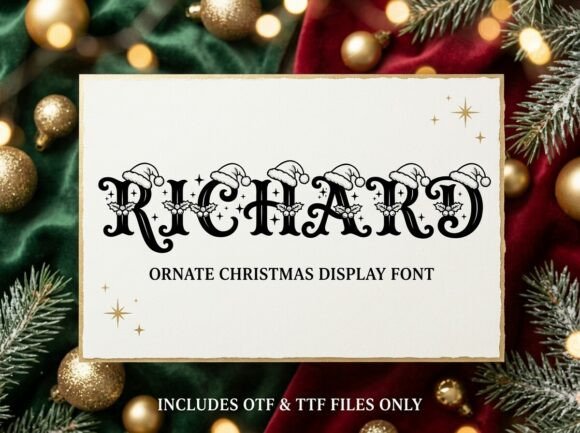
Richard is a decorative display font, a category specifically engineered for high-impact, short-form text. Think of it as the headline act, not the supporting player. Its design features unique artistic elements—perhaps custom curves, sharp terminals, or distinctive swashes—that give each character a sculptural quality. This strong visual personality makes it ideal for applications where the typography itself is part of the artwork. Unlike more neutral serif or sans serif fonts meant for body copy, a display font like this is crafted to be the center of attention, making every letterform a small piece of design.
A crucial detail to note is that Richard is an ALL-CAPS typeface. This design choice is intentional, reinforcing its role for bold headlines, logos, and decorative initials. The absence of lowercase letters means it's optimized for maximum visual punch in specific contexts. For a designer, this means understanding its purpose is key: use it where a commanding, uppercase presence elevates the message, such as in a logo mark, a poster title, or the hero section of a website.
Practical Applications for Creative and Commercial Projects
The versatility of a well-crafted creative font lies in its ability to adapt to different mediums while maintaining its core character. Richard’s professional polish makes it suitable for both digital and print realms, offering a consistent asset for a brand identity.
For branding and logo design, a typeface with such distinct character can become a foundational element. Imagine a boutique coffee roaster using Richard for its logo wordmark—the font’s artistic weight communicates craft and attention to detail. In packaging design, it can make product names leap off the shelf, creating instant recognition. For a small business owner developing their visual language, this font provides a ready-made solution for establishing a memorable aesthetic.
In digital spaces, its impact is equally strong. As a web design element, it can be used for hero text, section headers, or call-to-action buttons where you want to guide the user’s eye decisively. For social media graphics, it’s perfect for creating thumb-stopping posts, story titles, and quote cards that need to be readable at a glance. Content creators and marketers will find it invaluable for marketing assets like email headers, digital ads, and editorial design for online magazines or blogs, where a striking headline can significantly boost engagement.
Beyond the screen, its applications are just as rich. Use it for print materials like event posters, business cards, and brochures. It’s also excellent for merchandise—think t-shirt designs, tote bags, or mugs—where a bold, artistic statement is desired. For special projects like wedding invitations or digital products like printable wall art, its decorative nature adds a layer of sophistication and custom feel.
Integrating a Strong Font into Your Design Workflow
Adopting a powerful typeface like Richard requires a thoughtful approach to ensure it enhances rather than overwhelms. The first step is choosing the right font style for your project's goal. Is the aim to be avant-garde, luxurious, or rustic? Richard’s artistic elements should align with that emotional target. Always test font pairings to create hierarchy and balance. A common and effective strategy is to pair a bold display font like Richard with a clean, highly readable sans serif or script font for supporting text. This contrast ensures the headline commands attention while body copy remains easy to digest.
Readability considerations are paramount. While Richard is designed for impact, its effectiveness depends on context. Use it at larger sizes where its details can be appreciated. Avoid setting entire paragraphs in an all-caps display font, as this can strain the reader’s eye. Instead, reserve it for titles, subheads, and key phrases. When working on web design, ensure sufficient contrast between the text and background, and consider how the font renders on different screen sizes.
Before purchasing any commercial font, it’s wise to review the included font styles and file types. Richard comes in OTF and TTF formats, ensuring broad compatibility with design software from Adobe Creative Suite to basic word processors. Understanding the licensing is also part of professional practice. A commercial license typically covers most projects, but it’s always best to verify the terms for your specific use, especially for large-scale merchandise or broadcast media.
Ultimately, a font is a tool. Its value is realized in how it helps you improve visual consistency, strengthen brand recognition, and present a professional face to your audience. By strategically deploying a premium font like Richard for your most critical visual moments, you invest in a component of your project that works tirelessly to make a lasting impression. It’s about matching the right typography to the right task, ensuring your message is not only heard but felt.