Jack: A Bold Display Typeface for Modern Brands
Finding a font that truly captures attention without feeling gimmicky is a challenge many creators face. You want something with personality, something that feels crafted rather than generated. Jack is a decorative display typeface built exactly for this purpose—designed to stand out in headlines, logos, and packaging where visual impact matters most. Its artistic details and strong character make it a natural choice for projects that need to break from the ordinary while maintaining a professional polish.
Why Jack Stands Out in a Crowded Design Landscape
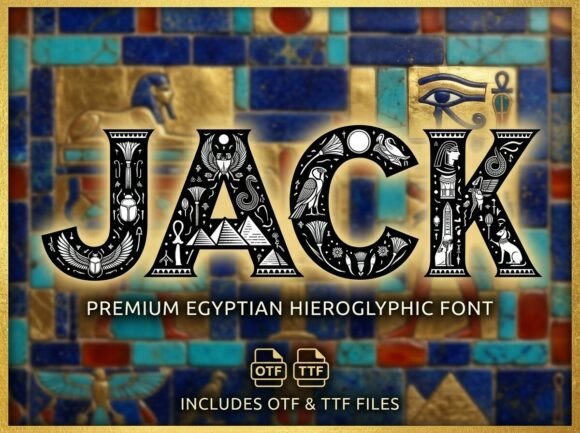
Jack isn’t just another font; it’s a visual statement. Each letterform features unique artistic elements that give it a distinctive voice, making it ideal for work that needs to feel custom and intentional. Because it’s an all-caps display font, it’s crafted specifically for situations where uppercase letters create the desired effect—think bold headlines, striking logos, or decorative initials. This focus means every character is designed to be a mini work of art, ensuring consistency and visual strength across your designs.
For designers and business owners, this kind of specialized tool can save time and elevate results. Instead of trying to force a standard font into a high-impact role, Jack provides a ready-made solution for projects that demand attention. Whether you’re creating a brand identity, designing packaging, or developing marketing materials, having a font that’s built for display purposes ensures your typography supports your message rather than diluting it.
Practical Applications for Creative Professionals
Jack’s versatility makes it suitable for a wide range of projects. In branding and logo design, it can help establish a strong visual identity that’s memorable and cohesive. For packaging, its bold presence ensures products stand out on shelves or in online marketplaces. Social media graphics benefit from its high-impact style, helping posts cut through crowded feeds. Websites and blogs can use it for headers and featured sections to guide reader attention, while print materials like posters, invitations, and editorial layouts gain a layer of artistic flair.
Consider how different industries might use this typeface:
- Food and Beverage Packaging: A craft brewery or artisanal food brand could use Jack on labels to convey creativity and quality.
- Event Invitations: Wedding planners or event organizers might choose it for save-the-dates or gala invitations where elegance and impact are key.
- Digital Products: E-book covers, course graphics, or app interfaces could use it for titles to attract user interest.
- Merchandise: T-shirt designs, tote bags, or posters can leverage its bold style for retail appeal.
Each application benefits from Jack’s ability to deliver visual consistency. When you use the same distinctive typeface across multiple touchpoints—from your website header to your social media ads to your product packaging—you reinforce brand recognition. Customers start to associate that specific visual style with your business, which is a fundamental goal of effective branding.
Integrating Jack into Your Design Workflow
Before diving into a project, it’s worth considering how Jack will work with other design elements. Because it’s a display font, pairing it with a simpler serif or sans-serif font for body text is often wise. This creates hierarchy and ensures readability—Jack handles the headlines, while a more neutral typeface supports longer passages. Testing different combinations is key; what looks good on screen might need adjustment in print.
When using Jack, remember its all-caps nature. This isn’t a limitation but a feature—it’s designed for situations where uppercase letters create the desired effect. For example, in a logo, all caps can convey strength and stability. In a poster headline, it commands attention. Being mindful of this characteristic helps you use the font intentionally, aligning its strengths with your project’s goals.
From a practical standpoint, the included OTF and TTF files ensure compatibility across design software and devices. The OTF format is preferred for advanced layout work in programs like Adobe Illustrator or InDesign, while the TTF offers broader compatibility for everyday use. This flexibility means you can work confidently whether you’re designing in a professional studio or creating graphics in more accessible tools.
Considering the Business and Marketing Angle
For small business owners and marketers, typography is more than an aesthetic choice—it’s a communication tool. The right font can influence how your audience perceives your brand. Jack’s bold, artistic style might appeal to businesses that want to project creativity, confidence, or a modern edge. Think of a boutique hotel using it for its signage, a tech startup for its app launch graphics, or a lifestyle brand for its seasonal campaigns.
However, it’s important to match the font to your brand’s voice. If your business values tradition and restraint, a more understated serif might be better. But if you’re in a field where standing out is essential—like design, entertainment, or innovative products—Jack could be a strategic asset. Always consider your audience and context; a font that works for a music festival poster might not suit a legal firm’s website.
From a licensing perspective, understanding the terms of use is crucial for commercial projects. Ensure the font license covers your intended applications, whether for client work, merchandise, or digital products. This due diligence protects your investment and avoids legal issues down the line.
Final Thoughts on Choosing and Using Display Fonts
Ultimately, Jack is a tool designed for specific creative challenges. It’s not meant for body copy or subtle typography but for moments where you need visual impact. By understanding its strengths—its artistic design, all-caps format, and professional finish—you can deploy it effectively in projects that align with its personality.
As with any design asset, the best way to see if it works for you is to test it. Try it in a mockup, see how it interacts with your color palette and imagery, and get feedback from others. Typography is a subtle but powerful element of design, and choosing the right typeface can elevate your work from good to memorable. For creators looking to add a bold, distinctive voice to their projects, Jack offers a compelling option worth exploring.