Karen: A Bold Display Font for Unforgettable Branding
There’s a specific moment in every design project where you realize the typeface you’ve chosen just isn’t cutting it. Maybe it blends in too much, or perhaps it lacks the energy required to grab attention in a crowded market. If you are looking for a typeface that refuses to be ignored, one that brings artistic flair and high-impact visuals to the table, it might be time to look at Karen. This isn't just another set of letters; it is a decorative display font engineered to be the focal point of your composition.
Designed for creators who want to break away from the ordinary, Karen offers a unique aesthetic that bridges the gap between artistic expression and professional polish. It is a premium font choice for those who understand that typography is often the first handshake between a brand and its audience. Whether you are a graphic designer working on a tight deadline, a small business owner crafting a new identity, or a content creator looking for that perfect headline, understanding how to utilize a display typeface like this can transform your work.
The Visual Personality of a Decorative Typeface
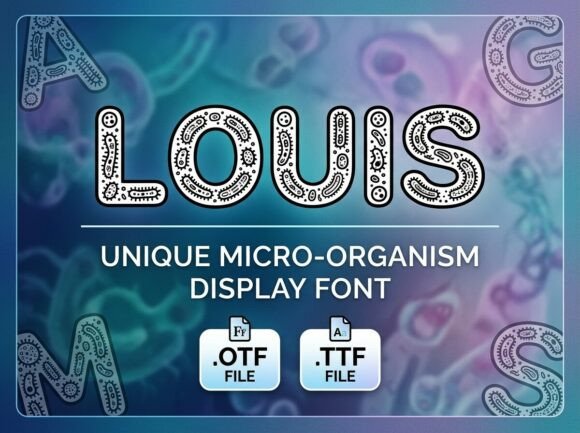
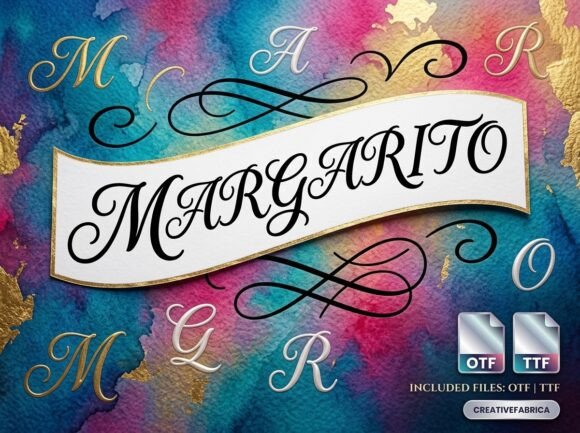
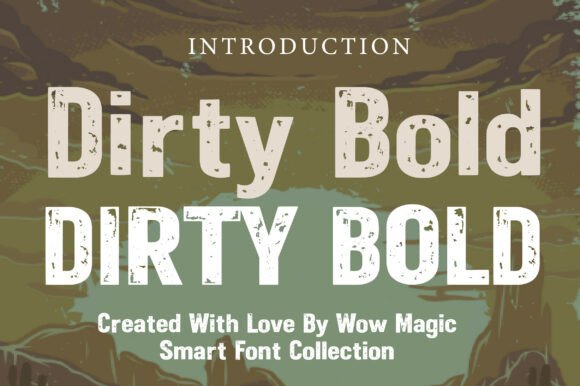
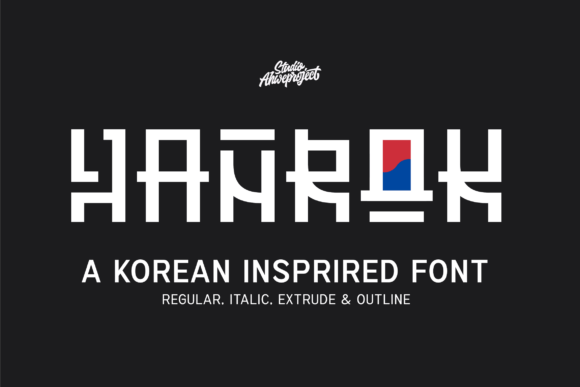
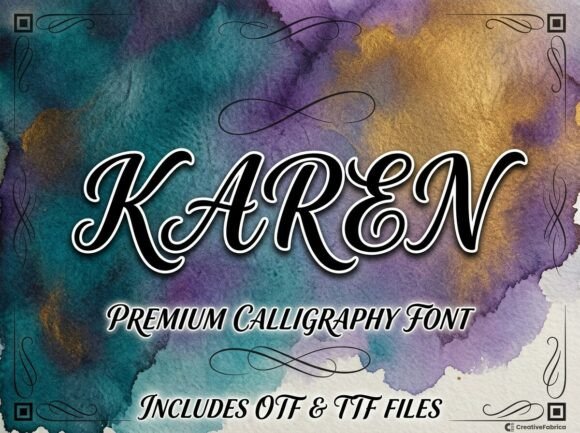
When we talk about "visual personality" in typography, we are referring to the font's ability to evoke emotion and set a mood. Karen is characterized by its strong, artistic elements. It doesn't just sit on the page; it performs. The letterforms are crafted with unique details that give it a distinct character, making it an ideal candidate for projects that require a touch of sophistication mixed with creative daring.
One of the most critical aspects to understand about this specific typeface is its classification as an ALL-CAPS display font. This is a vital detail for your workflow. Because it features uppercase letters only, it is specifically engineered for high-impact headlines, logos, and decorative initials. It is not designed for writing long paragraphs or body text; rather, it is meant to be used where every letter needs to function as a piece of art. If you try to use it for small, dense text, you will lose its impact. However, when used at large sizes for headers, its visual power is undeniable.
Practical Applications: Where Art Meets Function
Finding the right application for a decorative font is just as important as finding the font itself. Because of its bold nature, this typeface excels in specific scenarios where legibility at a glance is paramount, and visual weight is required.
Logo Design and Brand Identity
For entrepreneurs and brand strategists, the logo is the cornerstone of identity. A font like Karen can serve as the foundation for a wordmark that needs to feel modern, artistic, and authoritative. It works exceptionally well for boutique brands, creative agencies, fashion labels, or artisanal products. When you pair this font with a simpler sans serif font for your supporting text, you create a hierarchy that guides the viewer’s eye naturally.
Packaging and Product Presentation
In the world of packaging design, shelf appeal is everything. Imagine a coffee bag, a cosmetic box, or a craft beer label. Using a creative font for the product name can instantly communicate the quality and style of what's inside. The "polished finish" of this typeface ensures that even while it is decorative, it doesn't look messy or unprofessional. It suggests that the product within is curated and high-quality.
Editorial and Print Materials
If you are working on editorial design—such as magazine covers, posters, or invitations—this font provides the drama needed to sell the story. It is perfect for drop caps, where a large, ornate letter begins a chapter, or for pull quotes that need to stand out against a block of content. For print materials like flyers or business cards, it ensures that your key message is seen immediately.
Digital Presence and Social Media
In the fast-paced world of social media graphics and web design, stopping the scroll is the primary goal. A bold, artistic typeface is one of the most effective tools for this. Use it for Instagram story headers, YouTube thumbnails, or the hero section of a website landing page. It adds a layer of creative professionalism that standard system fonts simply cannot provide. It helps in maintaining visual consistency across platforms, reinforcing brand recognition every time a user sees your content.
Technical Versatility and File Compatibility
While the visual aspect is crucial, the technical side ensures that the font works seamlessly within your workflow. This asset is provided in two industry-standard formats to ensure maximum compatibility:
- OTF (OpenType Font): This is the professional standard. If you are using advanced design and layout software like Adobe Illustrator, InDesign, or Photoshop, the OTF file is your go-to. It often contains more refined kerning (spacing between letters) and features that give you greater control over the design.
- TTF (TrueType Font): This ensures universal compatibility. Whether you are working on a PC or a Mac, or using software that doesn't support advanced OpenType features, the TTF file guarantees that the font will render correctly. This is particularly useful if you are sharing the font with team members or using it in standard office applications for internal branding.
Having both files included means you are covered for professional design work and general use, making it a versatile addition to your library of design assets.
Strategic Advice for Implementation
Using a display font effectively requires a bit of strategy. You cannot simply swap out your standard body text for a decorative typeface and expect good results. Here is some practical advice on how to implement this style into your projects effectively.
Mastering Font Pairing
The golden rule of using a strong, artistic font is balance. Because the display font has high visual noise and detail, it needs to be paired with something quieter. A clean sans serif font or a simple serif font usually works best for body text. For example, if you use this font for a headline on a poster, use a geometric sans serif for the date, time, and location details. This contrast creates a professional hierarchy and ensures the message is readable.
Readability and Hierarchy
Since this is an uppercase-only typeface, be mindful of spacing. All-caps text generally requires slightly increased letter-spacing (tracking) to remain legible, especially at smaller sizes. However, for large headlines, you might want to tighten the spacing to make the letters feel like a cohesive graphic block. Always print out a test copy or view it on a mobile device to ensure the text is legible against the background.
Matching Typography to Project Goals
Before you commit to a font, define the goal of the project. If you are designing a legal document or a medical pamphlet, a decorative display font is likely inappropriate. However, if you are designing a wedding invitation, a music festival poster, or a luxury real estate brochure, a typeface with personality is exactly what you need to convey the right atmosphere. It’s about matching the tool to the task.
Licensing and Commercial Use
For small business owners and freelancers, understanding licensing is non-negotiable. When purchasing a premium font, you are usually paying for the right to use it in commercial projects—logos, merchandise, and client work. Always review the specific license included with your purchase to ensure it covers your intended use, whether that is for physical goods, digital products, or print-on-demand services. This protects you legally and ensures you are respecting the work of the type designer.
Ultimately, typography is a silent ambassador for your brand. By choosing a typeface with as much character as this one, you are signaling that you value creativity and quality. It allows you to break away from the generic templates that flood the market and create something that truly stands out. Whether you are launching a new brand identity, designing a limited edition t-shirt, or crafting a social media campaign, having a high-impact font in your toolkit gives you the power to communicate with confidence and style.