Paul: A Typeface That Commands Attention
There are fonts that whisper, and then there are fonts that walk into a room and own it. Paul is firmly in the latter category. It’s not just a collection of letters; it’s a visual statement, a piece of decorative art designed for moments when your message needs to be impossible to ignore. If you’ve ever felt that your designs were blending into the background, or that your branding lacked a certain punch, this is the kind of typeface that can shift the entire dynamic of your work.
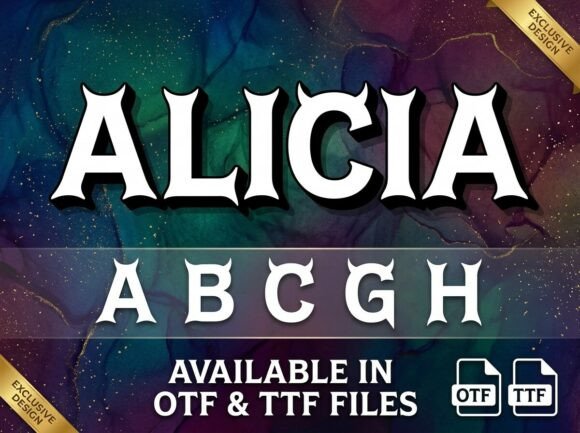
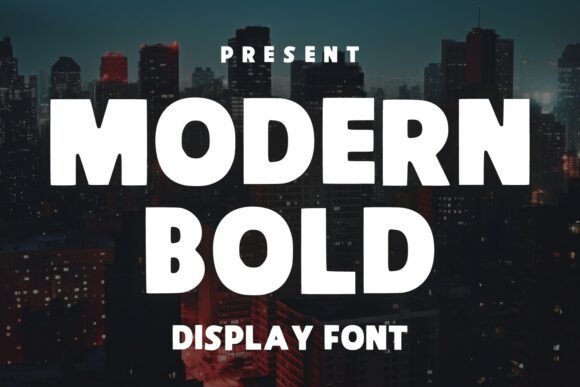
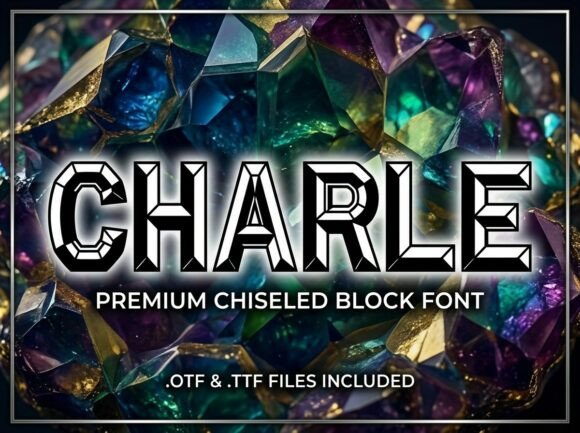
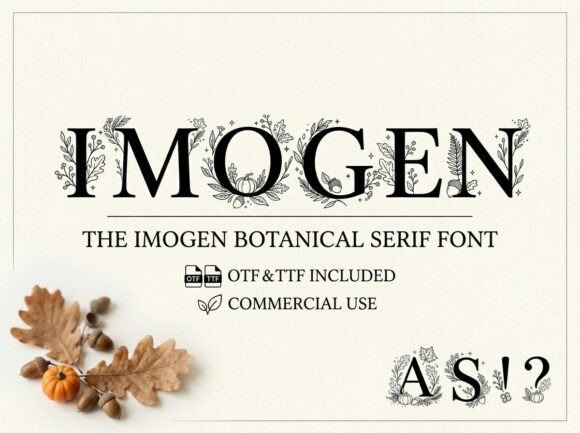
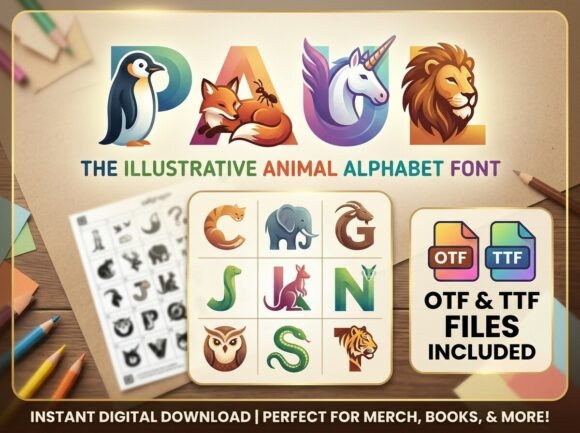
At its core, Paul is a premium display font, meaning it’s crafted for headlines, logos, and large-scale applications where its intricate details can truly shine. Think of it as the centerpiece of your design, the element that draws the eye first. Its character forms are anything but ordinary, featuring creative flourishes and a strong, artistic personality that feels both modern and timeless. This isn't a font for body text; it's the typographic equivalent of a bold accent piece in interior design.
Where Creative Vision Meets Practical Application
The true test of any creative font is how it translates into real projects. Paul’s strength lies in its versatility across high-impact scenarios. For logo design, it can form the cornerstone of a brand identity for a boutique studio, a high-end restaurant, or a creative agency that wants to project confidence and originality. The letterforms themselves become a recognizable symbol.
In packaging design, especially for artisanal goods, cosmetics, or specialty foods, Paul can instantly elevate a product’s shelf presence. It communicates quality and artistry before the customer even reads the product description. Similarly, for poster design—whether for a music festival, an art exhibition, or a local theater production—this typeface creates headlines that people genuinely can’t look away from. It carries an energy that’s perfect for music and event art, from album covers to concert flyers.
For digital creators, its power translates directly to social media graphics. In a fast-scrolling feed, a quote or announcement set in Paul has the visual weight to stop a thumb. It’s equally effective for creating standout titles for YouTube videos, podcast covers, or bold pins on Pinterest. The key is using it strategically for maximum impact.
Building a Cohesive and Recognizable Brand
One of the most significant advantages of incorporating a distinctive font like Paul into your toolkit is its ability to foster visual consistency and brand recognition. When used consistently across your website headers, social media banners, and marketing materials, it creates a unified visual language. Your audience begins to associate that specific typographic style with your brand, building familiarity and trust.
However, this power comes with a responsibility to balance flair with function. A common pitfall with decorative fonts is overuse. The best practice is to pair Paul with a more neutral, highly readable typeface for body copy. Consider a clean sans-serif font for paragraphs or a simple serif font for longer text blocks. This pairing ensures your design remains professional and polished, with Paul handling the heavy lifting for headlines while the supporting font ensures readability and comfort for extended reading.
Making It Work: Practical Tips for Designers and Creators
Before you dive in, take a moment to consider the project’s goal. Is the objective to feel luxurious, energetic, avant-garde, or approachable? Paul’s personality leans towards the bold and artistic, so it’s a natural fit for projects aiming for that vibe. For a more subdued or traditional context, it might be used very sparingly as an accent.
Always test font pairings in context. Create a mockup of your poster or social media graphic. How does Paul interact with your chosen body font? Is there a harmonious contrast, or does it feel disjointed? Pay close attention to readability considerations. While it’s designed to be eye-catching, ensure that any text set in Paul—especially at smaller sizes—remains legible. Check the clarity of letters like ‘a’, ‘e’, ‘s’, and ‘g’ in your specific application.
It’s also wise to review the full font package. Does it include multiple weights or styles (like bold or italic)? Understanding the full range of the design asset allows for greater flexibility. Finally, for any commercial project, always verify the licensing terms. Ensure the font’s license covers your intended use, whether for client work, merchandise, or digital products.
A Final Thought on Typographic Impact
Choosing a font like Paul is a deliberate choice to infuse personality into your work. It’s a tool for creators who understand that typography is more than just text—it’s a critical component of visual communication and storytelling. Used thoughtfully, it can transform a standard design into a memorable one, helping your message not only be seen but felt. In a world saturated with content, that kind of distinct visual voice is invaluable.