Crimsoncry: The Typeface That Bleeds Horror
There's a moment in every horror project where the visuals need to do more than suggest—they need to scream. Whether you're designing a movie poster for an indie slasher film, creating merchandise for a haunted attraction, or crafting social media graphics for a Halloween-themed product launch, the typography you choose carries the weight of your entire message. Some fonts whisper. Others politely suggest. But Crimsoncry? It grabs viewers by the collar and pulls them into the darkness.
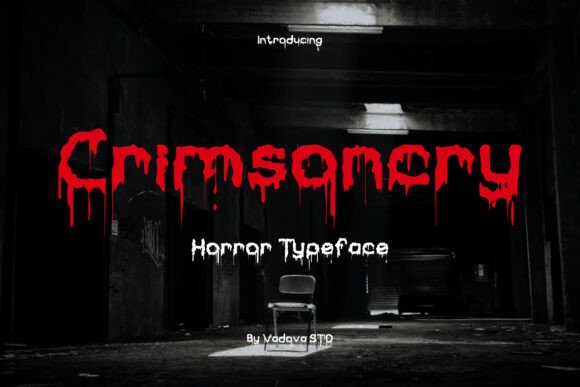
This isn't your everyday display font. Crimsoncry is a bold horror typeface built around visceral visual elements—dripping blood motifs, jagged irregular edges, and letterforms that look like they were carved into a wall by something with very sharp claws. It's the kind of typeface that makes people stop scrolling. That pause matters, especially when you're competing for attention in crowded feeds, on cluttered shelves, or against dozens of other event flyers stapled to a community board.
Why Certain Projects Demand a Fear-Inducing Font
Not every design calls for elegance or minimalism. Sometimes the brief is simple: make it terrifying. That's where typefaces like Crimsoncry earn their place in your design toolkit. The visual language of horror is specific—think of the jagged title treatments on classic horror novel covers, the dripping lettering on haunted house signage, or the angular, aggressive typography on metal band merchandise. These aren't accidents. Designers working in the horror and thriller space understand that typography sets the emotional tone before a single word is read.
Crimsoncry taps directly into that visual tradition. Its dripping blood elements aren't decorative afterthoughts—they're integral to how each letter communicates. The irregular, jagged edges create a sense of instability and unease, which is exactly what audiences expect from horror-themed content. When someone sees this typeface on a movie poster or event invitation, they immediately understand the genre, the mood, and the level of intensity they're signing up for.
Real-World Applications That Actually Work
Let's move beyond theory. Here's where a typeface like Crimsoncry genuinely shines in practical, commercial contexts:
- Logo Design for Horror Brands: If you're launching a horror podcast, a haunted attraction, a special effects studio, or even a Halloween-themed bakery, your logo needs to communicate your niche instantly. Crimsoncry gives brand identity an unmistakable horror edge without requiring elaborate illustrations.
- Packaging Design: Think about limited-edition Halloween packaging for candy brands, craft breweries releasing a seasonal "blood red" ale, or indie cosmetics companies launching a gothic makeup line. The right display font on packaging creates shelf presence that drives impulse purchases.
- Poster and Flyer Design: Horror film screenings, escape room promotions, haunted house events, zombie runs, and themed parties all rely on bold typography to cut through noise. A poster set in Crimsoncry immediately signals the genre and builds anticipation.
- Social Media Graphics: Instagram stories, TikTok thumbnails, YouTube channel art, and Facebook event covers all benefit from typefaces that stop the scroll. Horror-themed content creators, true crime podcasters, and paranormal investigators can use Crimsoncry to build a consistent visual brand across platforms.
- Merchandise and Apparel: T-shirts, hoodies, enamel pins, stickers, and posters in the horror niche are a thriving market. A distinctive typeface becomes part of the product itself—people buy the aesthetic as much as the message.
- Invitations and Event Materials: Halloween parties, murder mystery dinners, themed weddings, and horror convention meetups all need invitations that set the mood. Digital invitations using Crimsoncry give guests an immediate sense of what they're walking into.
- Editorial and Digital Products: Horror anthology covers, eBook titles, newsletter headers for horror blogs, and digital download artwork all benefit from typefaces that match their content's intensity.
Pairing Crimsoncry With Other Fonts
Here's something many designers overlook: a display font like Crimsoncry is a specialist. It's designed for headlines, titles, and short bursts of impactful text—not for body copy. Trying to set an entire paragraph in a dripping blood typeface would be unreadable and exhausting. The real skill lies in pairing it with complementary fonts that handle the heavy lifting of longer text.
Consider matching Crimsoncry with a clean, neutral sans serif font for body text. Something like a geometric sans serif or a humanist sans serif provides contrast without competing for attention. The horror display font screams; the body font calmly explains. That tension actually works in your favor—it creates visual hierarchy that guides the reader's eye exactly where you want it.
For projects with a more editorial feel—think horror magazine layouts or book covers—you might pair it with a classic serif font. The combination of gothic horror typography with refined editorial letterforms creates an interesting juxtaposition, like a blood-spattered invitation printed on expensive cardstock.
The key is testing. Always set your headline in Crimsoncry and your body text in your chosen companion font, then view the combination at actual size. Does the headline dominate appropriately? Is the body text still comfortable to read? Does the overall layout feel balanced? These practical tests matter more than any theoretical pairing rule.
Readability: The Non-Negotiable Consideration
Let's address something directly: horror fonts sacrifice some readability for visual impact. That's by design. Crimsoncry's jagged edges and dripping elements add character, but they also mean certain letterforms require more cognitive effort to parse. This is perfectly acceptable—and even desirable—for short-form text like logos, titles, and headers. It becomes a problem when overused.
Smart designers treat this typeface like a spice, not the entire meal. Use it for the five to ten words that need to hit hardest. Let your secondary fonts handle everything else. This approach preserves the font's dramatic impact while keeping your overall design functional and accessible.
Also consider your audience's context. A horror movie poster viewed from ten feet away in a theater lobby works differently than a mobile screen viewed at arm's length. Test your designs at the actual size and distance your audience will encounter them. If readability suffers, reduce the amount of text set in the display font rather than abandoning it entirely.
Building a Cohesive Horror Brand Identity
Consistency is what separates amateur horror projects from professional ones. When your logo, social media graphics, merchandise, packaging, and promotional materials all use the same typeface family, you build instant brand recognition. People start associating that specific visual style with your work before they even read the words.
Crimsoncry works particularly well as a cornerstone of a horror brand identity system. Establish it as your primary display typeface, pair it with your chosen secondary fonts, define your color palette around it—deep reds, blacks, muted grays—and you have a visual foundation that scales across every touchpoint. Whether someone encounters your brand on a poster, a website, a social media post, or a piece of merchandise, the typography signals consistency and professionalism.
This matters for small business owners and entrepreneurs in the horror space especially. You might be running a one-person operation selling handmade horror props on Etsy, or managing a growing haunted attraction with seasonal staff. A strong typographic identity makes your brand look established and intentional, regardless of your team's size.
Licensing and Practical Considerations
Before incorporating any premium font into commercial projects, verify the licensing terms. Most quality typefaces offer different license tiers—personal use, commercial use, extended commercial use, and sometimes web font licenses or app embedding licenses. Read the fine print. If you're creating merchandise for sale, you need a commercial license. If you're embedding the font in a website using CSS, you may need a web font license specifically.
This isn't bureaucracy—it's protecting your business. Using a font outside its license terms can result in legal issues that cost far more than the license fee itself. Most font foundries and marketplaces make licensing straightforward, so take the five minutes to confirm you're covered.
Also check what's included with your purchase. Quality horror typefaces often come with multiple styles, alternate characters, ligatures, and sometimes additional decorative elements. Review the full character set before you start designing—you might discover alternates that work better for specific letters or stylistic options that add variation to longer headlines.
Making Fear Work for Your Brand
The horror genre isn't niche anymore. Horror-themed content dominates streaming platforms, podcast charts, gaming, and social media. Brands outside traditional horror—think craft beverages, fashion labels, music venues, and even restaurants—are borrowing horror aesthetics to stand out and connect with audiences who appreciate dark, edgy visual communication.
Having a typeface like Crimsoncry in your design assets means you're prepared for these projects without scrambling to find appropriate typography under deadline pressure. Whether you're a designer building out a client's Halloween campaign, a content creator establishing your visual brand, or a small business owner launching a themed product line, the right horror typeface eliminates one variable from your creative process.
The best design choices feel inevitable in retrospect. When someone sees your horror movie poster, your haunted attraction signage, or your thriller novel cover and thinks "that looks exactly right," you've done your job. Typography that matches its subject matter doesn't just decorate—it communicates, persuades, and leaves an impression that lasts long after the initial fright fades.