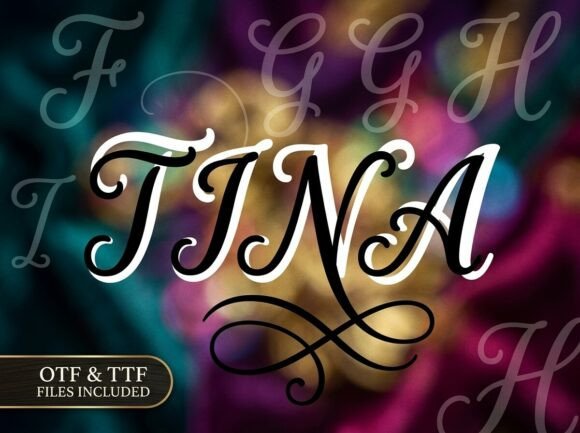
Tina: A Display Typeface That Demands to Be Seen
There are fonts that whisper, and there are fonts that command a room. When you're crafting a brand identity, designing a poster, or creating packaging that needs to leap off the shelf, you need a typeface with presence. You need a font that doesn't just sit on the page but actively shapes the visual story you're telling. This is where a character-driven display font becomes an indispensable tool in a designer's arsenal, transforming standard text into a focal point of artistic expression.
Understanding the Personality of a Bold Typeface
Every typeface carries an inherent personality. A sleek sans serif might convey modern efficiency, while an elegant script suggests tradition and fluidity. A premium display font like Tina operates in a different realm entirely. It’s designed for high-impact moments where the typography itself is the primary visual element. Think of it not as a vehicle for long-form reading, but as a sculptural element for headlines, logos, and decorative initials. Its strong visual personality comes from unique artistic details—perhaps unconventional letterforms, dramatic curves, or a distinctive weight that makes every character feel like a standalone piece of art.
This kind of creative font is all about breaking away from the ordinary. It’s the typographic equivalent of a signature piece of furniture in a minimalist room—it immediately draws the eye and sets a tone. For a small business owner, this means choosing a typeface that can become synonymous with their brand's ethos. For a content creator, it means selecting a font that makes their thumbnails or cover images instantly recognizable in a crowded social media feed.
Practical Applications for Maximum Visual Impact
The versatility of a well-crafted display typeface is where its true value lies. Its applications span across digital and physical realms, offering solutions for numerous creative challenges.
- Branding & Logo Design: A logo is the cornerstone of brand identity. Using a distinctive display font like Tina for a wordmark or logotype ensures it is memorable and unique. It works exceptionally well for brands in fashion, beauty, lifestyle, food and beverage, or any industry where aesthetic appeal is paramount.
- Packaging Design: On a shelf, you have mere seconds to capture attention. Bold, artistic typography on packaging acts as a silent salesperson, conveying quality, creativity, and product personality before a single word of copy is read.
- Social Media Graphics: In the fast-scrolling world of Instagram, Pinterest, and TikTok, your graphics need to stop the thumb. A striking headline font can be the difference between being scrolled past and being engaged with. It’s perfect for quote graphics, announcement posts, and promotional banners.
- Web Design & Blogs: While not for body text, a decorative display font is ideal for website hero sections, section headers, and blog post titles. It adds a layer of sophistication and visual interest that enhances the overall user experience and reinforces brand style.
- Print Materials & Merchandise: From event posters and flyers to wedding invitations and apparel, this font category adds a handcrafted, premium feel. It translates beautifully to merchandise like tote bags, mugs, and stationery where the design is the product.
The key is to match the font’s energy to the project’s goal. A playful, whimsical display font might be perfect for a children’s brand but could undermine the credibility of a financial advisor. The strength of a typeface like Tina lies in its ability to be both artistic and professional, allowing it to adapt to various creative visions without losing its polished finish.
Integrating a Display Font into Your Design Workflow
Adopting a new font into your projects involves more than just installation. Thoughtful implementation ensures it enhances rather than hinders your design. One of the most critical considerations is font pairing. A highly decorative display font should be balanced with a more neutral, readable companion. Pairing it with a clean sans serif for subheadings and body copy creates a harmonious hierarchy. The display font captures attention, while the secondary font delivers the detailed information clearly.
Another vital aspect is readability. Because fonts like Tina are often all-caps and feature intricate details, they are best used sparingly. They excel in short bursts—a headline, a name, a single impactful word. Using them for lengthy sentences can quickly become visually taxing for the viewer. Always test your designs at the actual size they will be viewed, whether on a mobile screen or a printed poster, to ensure legibility is maintained.
Before finalizing your choice, review the specific files included in the font package. The presence of both OTF (OpenType Font) and TTF (TrueType Font) files is a mark of a professional-grade asset. The OTF file is preferred by designers using advanced software like Adobe Creative Suite, as it often supports more typographic features. The TTF ensures universal compatibility, which is crucial if you’re sharing files or using the font across different devices and operating systems. This dual-file offering is a practical consideration for any serious creative project.
Making the Right Choice for Your Creative Vision
Choosing a typeface is a strategic decision that influences how your audience perceives your message. It’s an investment in your visual communication toolkit. When evaluating a font like Tina, consider its long-term utility across your planned projects. Does its style align with the core identity of the brands or personal projects you’re building? Can you envision it across multiple applications—from a website header to a printed business card?
Ultimately, the most effective typography choices are those that serve the project’s goals while resonating with the creator’s aesthetic sensibility. A stunning decorative display font is more than just a set of characters; it’s a design asset that can elevate your work, foster stronger brand recognition, and help you craft visuals that truly connect with your intended audience. It’s about finding that perfect typeface that feels less like a tool and more like a creative collaborator.