Lily: The Decorative Font That Commands Attention
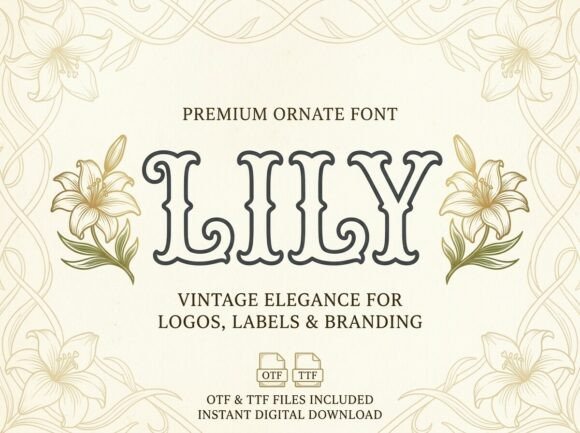
Every once in a while, a typeface comes along that doesn't just sit quietly on the page—it demands to be noticed. Lily is exactly that kind of font. With its intricate details, artistic letterforms, and unmistakable visual personality, it's built for designers and creators who want their work to make an immediate impression. If you've been searching for a display font that breaks away from the predictable and adds genuine character to your projects, this might be the one you've been waiting for.
What Makes Lily Stand Out in a Crowded Font Market
The font world is saturated with options, but not all typefaces are created equal. What separates Lily from a standard decorative font is the level of craftsmanship in its design. Each letterform has been carefully shaped with unique artistic elements—subtle curves, unexpected details, and a rhythm that gives the entire character set a cohesive yet dynamic feel. It doesn't rely on gimmicks. Instead, it uses thoughtful design choices to create something that feels both modern and timeless.
For anyone working in branding, logo design, or editorial design, this kind of visual distinction matters. A font like Lily can become the cornerstone of a brand identity, giving a business or project an aesthetic that people remember. Think about the brands you recognize instantly—chances are, their typography plays a significant role in that recognition. Lily offers that same potential for creators who want to build something visually compelling from the ground up.
Where This Font Truly Shines: Real-World Applications
Understanding where a font works best is just as important as liking how it looks. Lily is a premium display font, which means it's designed for situations where typography needs to carry visual weight. Here's where it really comes into its own:
- Poster design: Whether you're creating event posters, gallery announcements, or promotional flyers, Lily gives headlines the kind of presence that stops people mid-scroll or mid-walk. Its decorative nature makes it ideal for large-scale applications where every detail is visible.
- Branding and logos: For creative businesses—think boutique studios, artisan brands, lifestyle companies, or independent labels—this font can form the backbone of a distinctive visual identity. It works particularly well for brands that want to communicate artistry, individuality, or a premium feel.
- Packaging design: Shelf presence matters. If you're designing product packaging for cosmetics, specialty foods, candles, or any artisan goods, Lily can give your products that polished, high-end look that draws customers in.
- Social media graphics: In a feed full of generic text overlays, a font with personality can make all the difference. Use Lily for quote graphics, announcement posts, story headers, or any content where you want the typography to do the heavy lifting.
- Merchandise and apparel: T-shirts, hoodies, tote bags, and hats all benefit from bold, artistic typography. Lily's decorative style translates beautifully to print-on-demand products and custom merch lines.
- Music and event art: Album covers, concert flyers, festival branding—these are spaces where creative fonts thrive. Lily's visual energy makes it a natural fit for the entertainment and events industry.
- Invitations and editorial layouts: Wedding invitations, magazine covers, book jackets, and digital lookbooks all benefit from a typeface that feels special and intentional.
Pairing Lily with Other Typefaces
One of the most practical considerations when working with any decorative font is how it interacts with the rest of your typography. Lily is bold and expressive, which means it works best as a headline or accent font rather than for body text. The key is to pair it with something that complements without competing.
A clean sans serif font is often the safest and most effective choice. Think of something like a modern geometric sans or a simple grotesque typeface for subheadings and body copy. The contrast between Lily's ornamental character and a straightforward sans serif creates visual hierarchy naturally—your headlines grab attention, and the supporting text stays readable.
If your project calls for something warmer or more editorial, a classic serif font can also work well. The combination of a decorative display typeface with a traditional serif gives designs a sophisticated, layered feel that works beautifully for magazine layouts, lookbooks, and premium brand materials.
The important thing is to test your font pairings in context. Don't just look at two fonts side by side in a font manager—set them together in an actual design mockup. Check the spacing, the weight balance, and how they interact at different sizes. What looks good in theory doesn't always work in practice, so give yourself time to experiment.
Readability and Practical Considerations
Let's be honest: decorative fonts can sometimes sacrifice readability for style. It's a trade-off that designers need to manage carefully. With Lily, the artistic details are intricate but intentional, which means the letterforms remain recognizable even at moderate sizes. That said, this is still a display typeface, and it performs best when used at larger sizes where its details can breathe.
A few practical tips for getting the most out of this font:
- Use it for headlines and short text blocks. This isn't the font for paragraphs of body copy. Let it shine where it's meant to—at the top of a page, on a product label, or as a logo wordmark.
- Pay attention to letter spacing. Decorative fonts often benefit from slight adjustments to tracking. If the letters feel too tight or too loose at your intended size, don't hesitate to tweak the spacing.
- Consider your medium. A font that looks stunning on a large poster might lose detail when reduced for a business card. Always test at the actual size you'll be using.
- Review all included styles. Many premium fonts come with multiple weights, alternates, or stylistic sets. Take the time to explore what's included—there may be alternate characters or ligatures that give you more creative flexibility.
Compatibility and Workflow
Lily is designed to work seamlessly across both PC and Mac environments, which is essential for collaborative workflows or for creators who switch between devices. It integrates smoothly with professional design software like Adobe Illustrator, Photoshop, and InDesign, so if you're working in a professional creative suite, you won't run into compatibility issues.
For those who prefer more accessible tools, the font also works well in platforms like Canva, making it a practical choice for small business owners, content creators, and marketers who may not have extensive design software experience. This kind of versatility is genuinely valuable—it means you can maintain visual consistency across all your brand touchpoints, regardless of the tools you're using.
Licensing and Commercial Use
Before using any font in a commercial project, it's worth taking a moment to understand the licensing terms. Most premium fonts come with a license that covers specific use cases—personal projects, commercial work, or both. Make sure the license for Lily covers your intended use, whether that's client work, merchandise you plan to sell, or digital products you'll distribute. If you're working with clients, confirm whether the license allows for that kind of usage or if separate licenses are needed.
This isn't just a legal formality—it's part of being a responsible creative professional. Respecting font licensing protects you, supports the designers who create these assets, and ensures your work is above board.
Building a Brand Identity Around Distinctive Typography
Typography is one of the most powerful tools in a designer's toolkit, yet it's often undervalued. The fonts you choose communicate mood, personality, and positioning before anyone reads a single word. When you select a typeface like Lily for your brand or your client's brand, you're making a deliberate statement: this is a brand that values creativity, attention to detail, and visual impact.
For small business owners and entrepreneurs, investing in a quality display font can elevate your entire visual presence. Instead of relying on overused free fonts that thousands of other businesses are also using, choosing a distinctive typeface helps you stand apart. It signals professionalism and intentionality—qualities that build trust with your audience.
Whether you're designing a logo, building out a social media template library, creating packaging for a new product line, or putting together a pitch deck, the right typography choices ripple through every piece of visual communication you produce. Lily gives you a strong, memorable foundation to build on—one that feels artistic without being impractical, bold without being overwhelming.
Take the time to explore how it fits into your creative process. Test it across different projects, pair it with complementary typefaces, and see how it transforms the work you're already doing. Sometimes, a single font change is all it takes to take a design from forgettable to striking.