Wishlist: Infusing Joy and Personality into Every Design
There are moments in design when a project needs more than just information; it needs a feeling. You could be crafting a wedding invitation for your best friend, designing the label for a new small-batch jam, or creating a social media graphic for a bakery's weekend special. In these instances, a standard, corporate typeface often falls short. What you need is a voice that feels human, warm, and instantly inviting. This is where a font like the Sweet and Friendly Handwritten Display Font truly shines, offering a vivacious spirit that can transform the mundane into something memorable and deeply personal.
A Typeface with a Welcoming Embrace
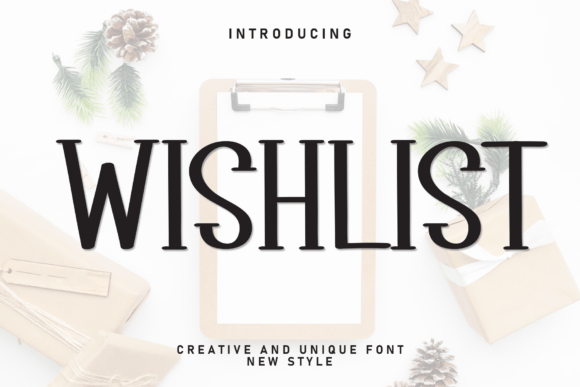
At its core, Wishlist is a celebration of imperfection and charm. It doesn't strive for the rigid geometry of a sans serif font or the formal elegance of a classic serif. Instead, it embraces the fluid, organic lines of natural handwriting. This gives it an inherent approachability, as if each letter was personally penned just for the viewer. The visual appeal lies in its delicate balance—it's playful without being childish, and sophisticated without being cold. The slightly varied baseline and gentle curves create a rhythm that guides the eye smoothly, making it a surprisingly effective tool for both headlines and short bursts of expressive text. It’s a premium font that feels less like a digital tool and more like a creative collaborator.
From Brand Identity to Social Media Stories
The true test of any creative font is its versatility. A typeface might look stunning on a wedding invite but fail completely on a website menu. Wishlist, however, demonstrates remarkable range. Its personality makes it a natural fit for projects centered on celebration, care, and community. Think of a boutique event planner’s logo, where the font immediately communicates bespoke, heartfelt service. Consider the packaging for artisanal chocolates or scented candles—the handwritten style suggests a human touch, a story behind the product. For content creators and bloggers, it’s a fantastic asset for creating captivating Pinterest pins, Instagram Stories, or YouTube thumbnails that need to stop a scrolling thumb with warmth and authenticity.
Its applications extend beautifully into print. Wedding invitations, baby shower announcements, and greeting cards become heirlooms with this level of personal flair. Imagine a restaurant’s chalkboard-style menu or a poster for a local farmer’s market; Wishlist injects that necessary dose of community spirit. For digital products, like printable planners or e-book covers, it can set a friendly, accessible tone right from the first glance. The key is matching the font’s energy to your project’s goal—it’s the typographic equivalent of a warm smile.
Practical Advice for Seamless Integration
Adopting a new display font, especially one with this much character, requires a thoughtful approach to ensure it enhances rather than overwhelms. Here’s how to make it work for you:
Pair with Purpose: A font like Wishlist should rarely be used for long paragraphs of body text. Its strength is in headlines, subheadings, and call-to-action phrases. To maintain readability and professional presentation, pair it with a clean, neutral typeface. A simple sans serif font for body copy creates a beautiful contrast, allowing the handwritten style to pop without sacrificing clarity. For a more classic feel, a sturdy serif font can provide a grounded counterpoint. Always test your font pairings in context—see how they look together on a mockup of your website or packaging before committing.
Consider the Context: Readability is paramount. While Wishlist is legible at larger sizes, ensure any text set in it has sufficient spacing and contrast against its background. Avoid using it for fine print, legal disclaimers, or dense informational blocks where a standard typeface would be more appropriate. Think of it as the accent piece in your design wardrobe, not the everyday workhorse.
Explore the Full Family: Often, a well-designed typeface like this comes with more than one style. Check if it includes alternate characters, ligatures, or multiple weights (like a regular and a bold version). These extras are gold for designers, allowing you to create subtle variations and add even more personality to your layouts, ensuring your brand identity feels dynamic and cohesive across all assets.
Building Brand Recognition with Authentic Flair
In a crowded marketplace, visual consistency is what builds recognition. When you select a core font like Wishlist for your brand’s primary display typeface, you’re making a strategic choice. You’re not just choosing letters; you’re choosing a tone of voice. Every social media graphic, every product label, every email header that uses this font contributes to a unified visual language. This consistency helps your audience recognize your content instantly, fostering trust and familiarity. It moves your brand from being just another option to being a distinct, memorable personality they feel connected to.
For small business owners and entrepreneurs, this connection is invaluable. It’s the difference between a transactional interaction and a relational one. The right commercial font becomes a silent ambassador for your values—whether that’s creativity, warmth, playfulness, or artisanal quality. It’s a critical piece of your design assets that, when used wisely, can significantly improve audience engagement and make your marketing materials feel more authentic and human.
Ultimately, choosing a typeface is about finding the right voice for your story. The Sweet and Friendly Handwritten Display Font offers a voice that is unmistakably joyful, approachable, and full of life. It’s an invitation to add a layer of genuine warmth to your work, turning every design project into an opportunity to connect, delight, and leave a lasting impression. So go ahead, give your next creation that sprinkle of jubilation it deserves. Your audience will feel the difference.