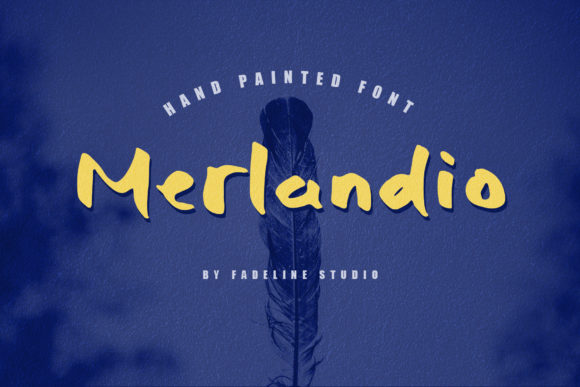
Merlandio: A Font That Brings Playful Energy to Your Projects
There's a particular moment in every design project when you realize the typography isn't quite working. The letters feel too stiff, too corporate, or too forgettable for what you're trying to communicate. You need something with personality—something that makes people smile before they even read the words. That's exactly where Merlandio steps in, offering a cute and playful display font that fills a genuine gap in the creative toolkit for designers, entrepreneurs, and anyone building something meant to feel joyful and approachable.
Why a Playful Display Font Matters More Than You Think
Typography does heavy lifting in visual communication. The font you choose tells your audience something about your brand's personality within milliseconds. A rigid sans serif font might communicate efficiency and modernity, while a classic serif font suggests tradition and reliability. But when your project calls for warmth, whimsy, and a sense of fun, those conventional choices fall short. This is the territory where display fonts like Merlandio genuinely shine—not as a replacement for body text typefaces, but as a headline and accent font that sets an emotional tone.
Think about the last time a children's book cover caught your eye at a bookstore, or a birthday invitation made you grin before you even read the details. Chances are, the typography played a significant role. Merlandio carries that same kind of magnetic energy. Its rounded letterforms, slightly bouncy baseline, and cheerful proportions give it an approachable character that feels welcoming without being childish. It strikes a balance that works for projects targeting kids and adults alike—anything that needs to feel lighthearted, creative, or genuinely fun.
Finding the Right Home for Merlandio in Your Work
One of the most practical questions about any creative font is where it actually works well. Not every playful typeface translates across different media, but Merlandio has a versatility that makes it surprisingly useful across a range of applications. Here's where designers and creators tend to get the most mileage out of it:
- Logo design and brand identity for businesses that want to project a friendly, approachable image—think toy shops, bakeries, children's clothing brands, or creative studios.
- Packaging design where shelf appeal matters. A cereal box, a candy wrapper, or a toy package needs typography that pops from across the room, and Merlandio's distinctive character shapes do exactly that.
- Social media graphics where grabbing attention in a crowded feed is everything. Quote cards, promotional posts, and story overlays benefit enormously from a font with built-in personality.
- Invitations and event materials for birthdays, baby showers, school events, or any celebration where the tone should feel festive and inviting.
- Book covers and editorial layouts, especially in children's publishing, middle-grade fiction, or lifestyle magazines that lean into colorful, energetic design.
- Merchandise and print-on-demand products like t-shirts, mugs, stickers, and tote bags where bold, readable lettering with character can drive sales.
- Website headers and blog graphics for creators in niches like parenting, education, crafting, or entertainment who want their digital presence to feel vibrant.
- Digital products and marketing assets including worksheets, planners, course materials, and email headers that need to stand out from generic templates.
The common thread here is intentionality. Merlandio works best when you're deliberately trying to communicate joy, creativity, or playfulness. It wouldn't be the right choice for a law firm's annual report, but for a children's museum flyer or a indie game studio's branding? It's exactly the kind of premium font that makes a project feel polished and purposeful.
Matching Typography to Your Creative Goals
Choosing a font isn't just about what looks good in isolation—it's about how that typeface serves the larger goals of your project. Before you drop Merlandio into your next design, it's worth taking a moment to think through a few practical considerations that separate good typography from great typography.
First, consider your audience. Merlandio appeals strongly to younger demographics and parents, but it also resonates with anyone who appreciates creative, handmade-feeling design. If your brand or project targets millennials or Gen Z consumers who value authenticity and personality, this font style aligns well. If you're designing for a more corporate or traditional audience, you might reserve it for accent elements rather than primary headlines.
Second, think about font pairing. A playful display font like Merlandio pairs beautifully with clean, simple body text fonts. Try combining it with a straightforward sans serif font for paragraphs and longer reading passages. This contrast creates visual hierarchy—the display font grabs attention for headlines and key phrases, while the simpler font keeps extended content readable. Avoid pairing it with another ornate or highly stylized typeface, as competing personalities can make a layout feel chaotic rather than cohesive.
Third, test for readability at different sizes. Display fonts are designed primarily for larger text applications like headlines, titles, and logos. Merlandio's charming details work best when they have room to breathe. If you try to use it for small body text, those same details can become muddy and hard to read. Keep it for sizes where its personality can actually be appreciated, and let a more neutral typeface handle the smaller, denser text blocks.
Building Visual Consistency Across Your Brand
One of the most underrated benefits of investing in a quality typeface is the consistency it brings to your visual identity. When you use the same font across your logo, social media graphics, packaging, website, and printed materials, you create a cohesive brand experience that people start to recognize instinctively. Merlandio, used consistently, can become a signature element of your brand's visual language—something your audience associates with your specific personality and values.
This matters especially for small businesses and independent creators who don't have massive advertising budgets. Strong, consistent typography is one of the most cost-effective ways to build brand recognition. When someone sees your Instagram post, then your product packaging, then your website header, and the typography feels the same across all three, that repetition builds familiarity and trust. It signals professionalism and intentionality, even if you're a one-person operation working from your kitchen table.
Merlandio also tends to include multiple font styles or weights, which gives you flexibility within that consistency. You might use a bolder weight for primary headlines and a lighter weight for subheadings, maintaining the same visual family while creating natural hierarchy. Review what's included in the font package so you can take full advantage of these variations—they're tools designed to help you create more sophisticated, layered designs without introducing competing typefaces.
Licensing and the Business Side of Creative Fonts
There's a practical reality that every designer, entrepreneur, and content creator needs to address: font licensing. Not every font you find online is free for commercial use, and the consequences of using a font without proper licensing can range from awkward takedown requests to actual legal disputes. Before you incorporate Merlandio—or any premium font—into a commercial project, verify that your license covers your intended use.
Most quality display fonts come with clear licensing terms that specify whether they're available for personal use, commercial use, or both. If you're creating products for sale, designing client work, or producing marketing materials for a business, you almost certainly need a commercial license. This is a worthwhile investment. The cost of a properly licensed creative font is minimal compared to the value it adds to your designs and the legal protection it provides.
Keep records of your font purchases and licenses. If you're a designer working with multiple clients, make sure each client has appropriate licensing for fonts used in their projects, or that your license covers work created for third parties. These details might feel tedious, but they're part of running a professional creative practice.
Making Typography Work Harder for You
The best typography decisions aren't just aesthetic—they're strategic. When you choose a font like Merlandio for a project, you're making a deliberate choice about how your audience will feel when they encounter your work. That emotional response drives engagement, builds connection, and ultimately supports whatever goal you're working toward, whether that's selling a product, growing an audience, or simply creating something that brings people happiness.
Take the time to experiment. Set your headlines in Merlandio, try different sizes, play with letter spacing, and test it against various color palettes and background textures. The more you explore what a typeface can do, the more confidently you'll deploy it in real projects. Great design isn't about having the most fonts—it's about knowing exactly when and how to use the right one. And for projects that need a genuine touch of joy, Merlandio is a typeface worth knowing well.