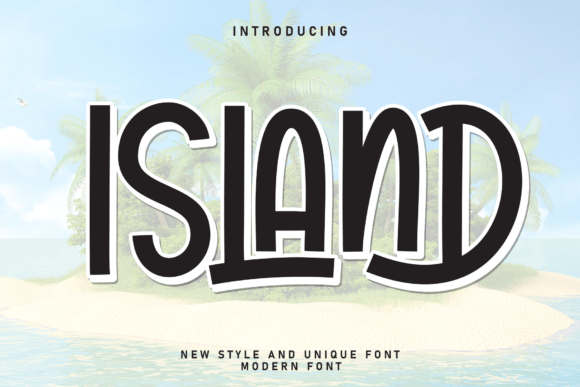
Island: Your Friendly Handwritten Font for Heartfelt Designs
Sometimes, a project calls for more than just clean lines and perfect spacing. It needs a voice. It needs warmth. It needs to feel like it was made by a human hand, for a human heart. Enter the captivating world of our charming handwritten display font—a perfect blend of elegance and friendly charm. Brimming with a vivacious appeal, this font breathes life into your heartfelt wedding invites, endearing greeting cards, and any design calling for a touch of joyous flair. This enticing font is your treasure trove for sparking creativity, adding a distinctive, joyful spin to your masterpieces.
A Typeface with a Welcoming Personality
What makes a font like Island stand out in a sea of digital typefaces? Its personality is its power. This isn't a stiff, corporate script or an overly formal calligraphy. It strikes a beautiful balance—elegant enough for a special occasion yet approachable enough for a friendly brand. The letterforms flow with a natural, slightly irregular rhythm that mimics authentic handwriting. You’ll notice subtle variations in stroke weight and connection points, which prevent it from looking sterile or auto-generated. This inherent character makes it a fantastic choice for projects where you want to establish an immediate emotional connection with your audience.
Think of the last time a piece of mail or a social media post made you pause and smile. Often, it’s the typography that sets the tone. Island’s design achieves this effortlessly. Its curves are soft, its ascenders and descenders have a gentle bounce, and the overall composition feels optimistic. For a small business owner crafting their brand identity, this font can become the visual shorthand for “welcoming,” “authentic,” and “thoughtful.” It’s a creative font that doesn’t just display words; it conveys a feeling.
Practical Applications: From Screen to Shelf
The true test of any design asset is its versatility. Where can you use a font like Island? The applications are surprisingly broad, making it a valuable addition to your toolkit.
For Branding & Logo Design: A logo sets the first impression. Using Island for a boutique bakery, a floral studio, a wedding planner, or a handmade jewelry line can instantly communicate the brand’s artisanal, personal quality. Pair it with a simple, clean sans-serif font for body text on your website or business cards to create a balanced and professional presentation that’s full of character.
For Packaging & Merchandise: On product packaging, handwritten fonts add a layer of perceived care and craftsmanship. Imagine Island on a label for artisanal honey, a candle, or a gourmet jam jar. It tells a story of small-batch quality. For merchandise like tote bags, mugs, or t-shirts, a short, catchy phrase set in this font can become a desirable design element that resonates with your target audience.
For Digital Presence: Your website and social media graphics need to capture attention quickly. Use Island for impactful headlines on your homepage, for pull quotes in blog posts, or as the main text in eye-catching Instagram Stories or Pinterest pins. Its friendly appeal boosts audience engagement, making your content feel more personal and shareable. It works beautifully for digital products like e-book covers, printable planners, or online course materials, adding a premium, polished touch.
Making It Work: Pairing and Readability
Choosing a stunning display font is only half the battle. Knowing how to use it effectively is what separates good design from great design. Here’s some practical advice for integrating a font like Island into your work.
Master the Art of Font Pairing: A handwritten display font is a star performer, but it needs supporting actors. Its whimsical nature means it pairs best with understated, highly legible fonts. For digital projects, combine it with a modern sans-serif like Lato, Open Sans, or Montserrat. For print or a more traditional feel, a clean serif like Georgia or Lora can create a beautiful contrast. The key is to let Island shine in headlines, subheadings, or short calls-to-action, while using the simpler font for paragraphs of text. This ensures your design is both beautiful and easy to read.
Prioritize Readability: While display fonts are designed for impact, they shouldn’t sacrifice clarity. Use Island at larger sizes where its intricate details can be appreciated. Avoid setting long sentences or body copy in a script or handwritten font, as this can strain the reader’s eyes. Test your designs at the size they’ll be viewed—check how a social media graphic looks on a phone screen and how a poster reads from a few feet away.
Explore the Included Styles: A quality premium font often comes with more than one style. Look for variations like regular, bold, or italic within the Island family. These can be used to create hierarchy and emphasis within your designs without introducing a clashing typeface. Understanding what’s included in your commercial font license is also crucial for ensuring you have the rights for your intended use, whether for a personal blog or a client’s product line.
Building Recognition Through Consistent Visuals
In a crowded marketplace, consistency is what builds brand recognition. When you choose a distinctive typeface like Island and use it consistently across your touchpoints—from your website header to your email newsletter to your product tags—you create a cohesive visual identity. Customers begin to associate that friendly, elegant script with your business. This isn’t just about looking good; it’s about strategic brand building. It helps your audience instantly recognize your content in a busy social feed or on a store shelf, fostering loyalty and trust.
Ultimately, typography is a powerful tool for visual communication. The right typeface does more than spell out words; it sets the mood, tells a story, and guides the viewer’s experience. A font like Island is more than just a set of characters. It’s a design partner that brings warmth, personality, and a touch of handcrafted joy to everything it touches. By thoughtfully applying it to your projects, you’re not just making something beautiful—you’re creating a memorable connection.